Book tickets
Book tickets to visit our current exhibition and permanent collection or one of our events.
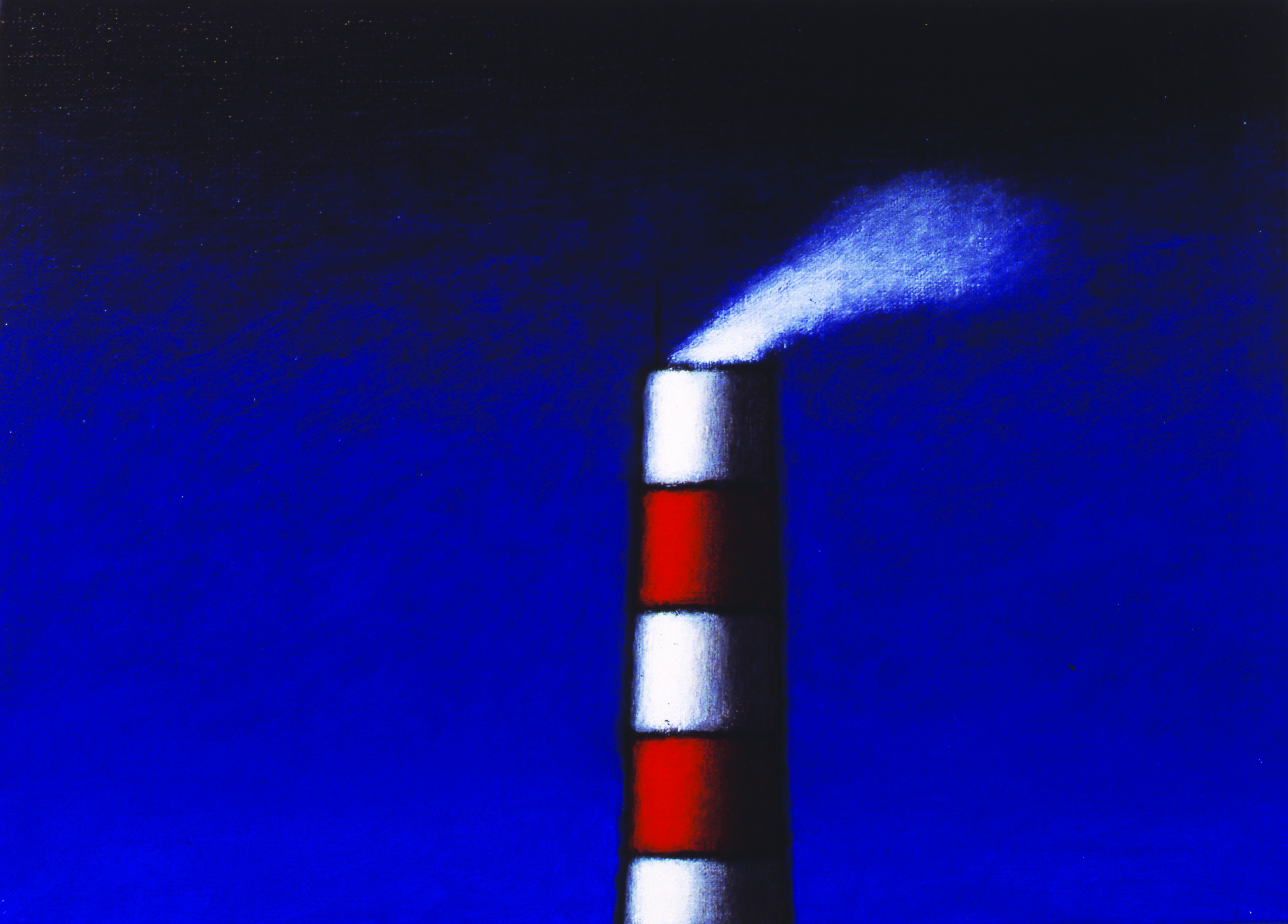
This ‘intervention’ celebrates the work of Tino Stefanoni (Lecco, 1937–2017). Conceived as a dialogue between his paintings and the permanent collection, it precedes a number of retrospectives being organised across Italy in 2027 to mark the ninetieth anniversary of his birth and the tenth of his death.
Over a career spanning fifty years, Stefanoni drew inspiration from artists including Carlo Carrà, Giorgio Morandi, Giorgio de Chirico and Ottone Rosai, as well as from Renaissance masters such as Fra Angelico and Piero della Francesca. He aspired to the calm, methodical qualities he perceived in their work, eschewing spontaneity and instinctive, gestural brushwork.
Gradually, he constructed a visual vocabulary from everyday items such as basins, hot-water bottles and ladles. Yet these objects were mere pretexts, much as Morandi’s bottles were a means of exploring the relationship between reality and abstraction. Stefanoni’s son Pietro noted how his father’s “love of objects – which he admitted to fetishising – arose from the conviction that they represented expressions of human genius. ‘Things’ thereby took on a meaning beyond their practical use: their intrinsic value becoming the justification for their transformation into art.” Like those of de Chirico, Stefanoni’s objects – decontextualised and isolated – appear suspended in an enigmatic, metaphysical dimension. His work of the 1960s and 1970s, which also undoubtedly reflected Pop Art’s elevation of the mundane, might best be defined as ‘conceptual figuration’.
From the 1980s, landscape became his favoured subject, the artist painting scenes devoid of human presence, where events have just happened or are about to occur, and in which time is frozen. After the vibrant colours of these works, his final phase revealed a concern with line, Stefanoni’s so-called Sinopie (named after the preparatory underdrawings of frescoes) distilling and purifying form.
At the Estorick Collection, his paintings allude to the imagery of the 20th-century masters he revered, but also spark other, more unexpected conversations. For instance, one of his characteristic ‘road’ signs, warning of slippery conditions, recalls the car crash that inspired F. T. Marinetti’s Futurist manifesto. Other relationships are there for the visitor to discern. Art, Stefanoni believed, constructs mysteries rather than providing solutions, and so makes room for reflection: “Society increasingly denies us the time to reflect and meditate. The artist, if nothing else, bears the responsibility of addressing this problem.” It is a message never more timely than today.
Curated by Ilaria Bignotti
With the support of Archivio Tino Stefanoni and M77 Gallery, Milan.
Tino Stefanoni, 28 Senza titolo 28 (detail), 1984. Courtesy Archivio Tino Stefanoni.

See our current exhibitions
Find out more...
Discover the programme of future exhibitions
Find out more...
Discover our past exhibitions
Find out more...